How to Build Trust With Your Horse in Daily Routine
The bond with a horse is usually not built in one dramatic breakthrough. It is built in the ordinary moments. How you approach. How you handle pressure. How clearly you communicate. How predictable you are when the horse is uncertain.
That is why trust feels simple from the outside and hard from the inside. It is made out of hundreds of small interactions that either teach the horse you are fair and readable or teach the horse to brace for the next mixed signal.
On this page
What trust looks like
Trust with a horse does not mean the horse never gets worried, questions you, or makes mistakes. It means the horse has enough confidence in your handling that uncertainty does not immediately turn into chaos.
A trusting horse tends to stay more available. More willing. More readable. That does not come from dominance. It comes from clarity and fairness repeated often enough to matter.
Trust is readability
Horses trust people who make sense to them. Clear timing, fair pressure, and consistent follow-through do more than speeches ever will.
How it gets built
The old mistake is thinking bond equals emotion alone. Emotion matters, but horses learn trust through experience. They learn from handling, release, timing, routine, and whether the person in front of them feels steady when things get uncertain.
That is why body language matters so much. Horses are reading posture, breathing, tension, and intention long before they care what a person says out loud.
1. Be consistent in ordinary handling
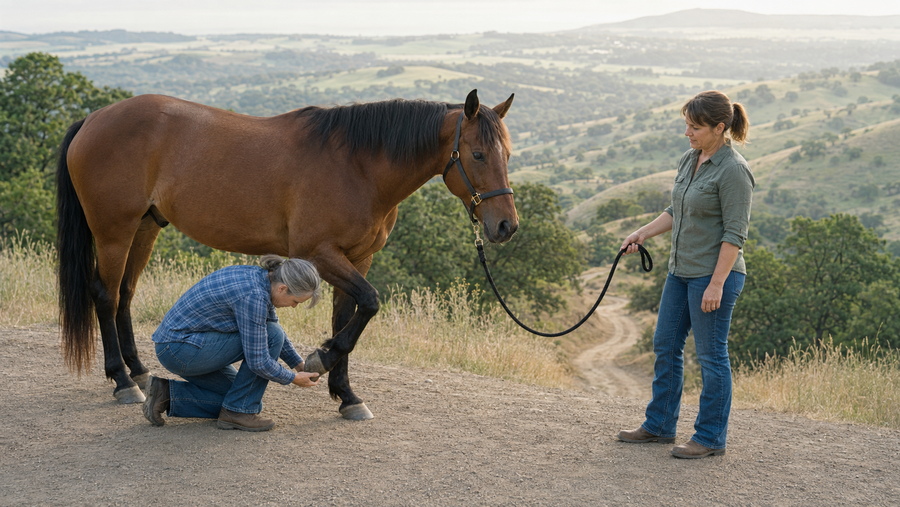
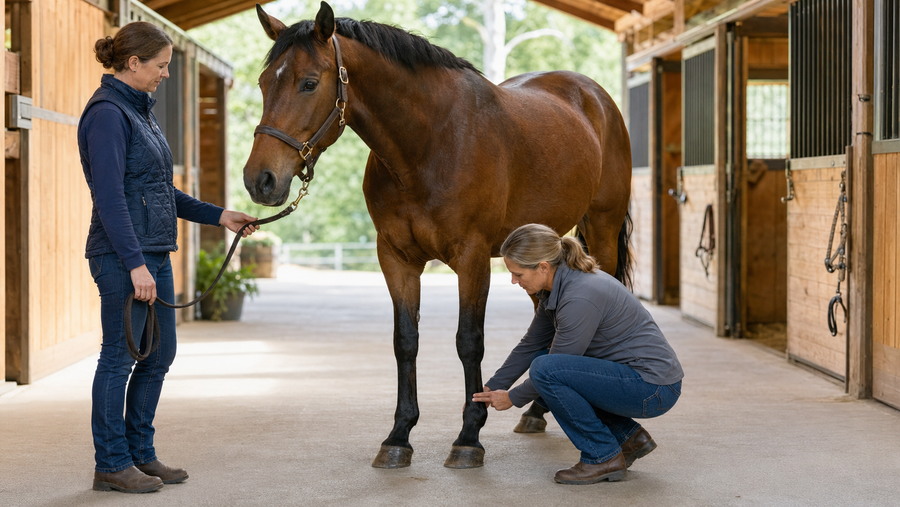
Leading, tying, grooming, picking feet, tacking up, and untacking are not side chores. They are where horses learn whether your cues are predictable and whether your energy stays fair from one day to the next.
2. Get clearer, not louder
When communication breaks down, many riders add more pressure instead of more clarity. Horses usually do better when cues get simpler, timing gets better, and release becomes easier to understand.
3. Notice the horse before correcting the horse
A horse that feels distracted, tight, sore, anxious, or shut down is still communicating. Listening does not mean letting everything slide. It means reading what is in front of you before deciding what response is fair.
4. Keep the routine steady
Horses usually feel safer when daily life has rhythm. Feeding, turnout, grooming, work, and recovery routines all shape the horse’s sense of security.
5. Reward the try
Trust grows when the horse learns that effort gets recognized. That does not have to mean treats every five seconds. It means the horse can find a correct answer and feel the release.
What weakens trust
- Inconsistent handling from one day to the next
- Late timing and muddy cues
- Pressure without clear release
- Ignoring behavior that may be rooted in discomfort
- Letting frustration set the tone of the session
The pattern that matters
Most horses do not lose trust from one imperfect day. They lose trust when confusion becomes the pattern.
Bond and body still go together
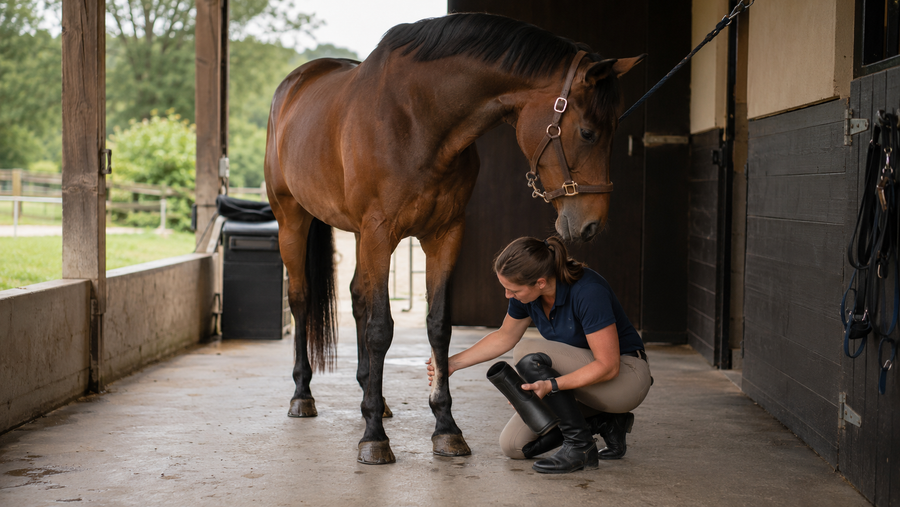
Good horsemanship is not only emotional. It is physical too. A horse that feels tight, sore, overfaced, or uncomfortable often has a harder time staying relaxed and available. That is why clear handling and sensible body support usually work better together than either one does alone.
The horse-human bond gets stronger when the horse feels understood in both mind and body.
Build a steadier routine
Trust grows when the horse can predict the person, the handling, and the care that follows the work.
Frequently Asked Questions
How do horses build trust with people?
Mostly through repeated experience. Consistent handling, fair pressure, clear release, readable body language, and steady routines all help horses learn that a person is safe and understandable.
Can a horse trust you and still spook or resist?
Yes. Trust does not mean perfect behavior. It means the horse has a stronger tendency to return to the rider or handler instead of staying lost in fear or confusion.
Does body language really matter that much?
Yes. Horses read posture, tension, movement, and timing constantly. Mixed body language often creates mixed responses.
What is the fastest way to weaken trust?
Inconsistency. Unclear cues, unpredictable reactions, and pressure without relief tend to make horses more guarded over time.