
Sep 14, 2026
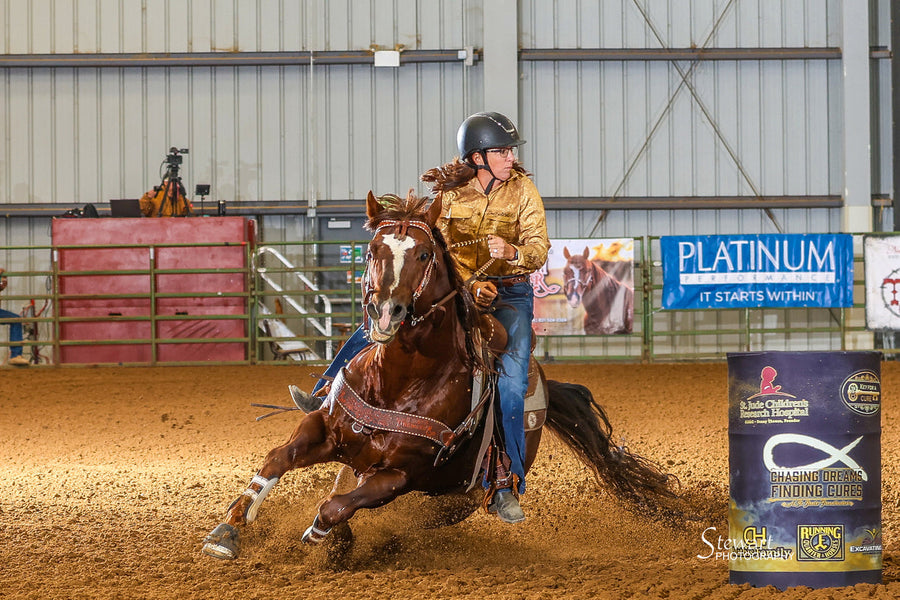
Real Rider of the Month: Janel Flook
Meet Janel Flook of Running F Quarter Horses, our September 2026 Real Rider. Her story brings together 46 years with horses, a return to ...

Quick answer: Cool down after a trail ride with easy walking, progressive tack removal, access to appropriate water, and a full check of feet, legs, back, and tack areas. Recheck after the horse has settled because some changes appear later.
The end of the trail is not always the end of the workload. A horse may still be managing heat, fatigue, uneven terrain, trailer loading, and the effects of tack or protective boots. A hurried stop can hide the information you need for the next ride.
After the horse is cool enough for the planned routine and the skin is clean and intact, Draw It Out® 16oz Liniment Gel can fit targeted external care according to its label.
Bottom line: The best trail cool-down is gradual, observable, and followed by another check. Recovery does not end when the saddle comes off.
Educational content only. This article does not replace veterinary diagnosis, treatment, farrier care, qualified tack fitting, or current competition rules.
Meet Janel Flook of Running F Quarter Horses, our September 2026 Real Rider. Her story brings together 46 years with horses, a return to ...

Still fighting flies as summer winds down? Learn how to spot gaps in your barn routine, evaluate fly-spray claims, and decide where Citra...

On the 25th anniversary of September 11, we pause to remember those lost, honor those who served, and carry their stories forward.
!