K9 by Draw It Out®
Dog Elbows Rough From Hard Floors? What to Check
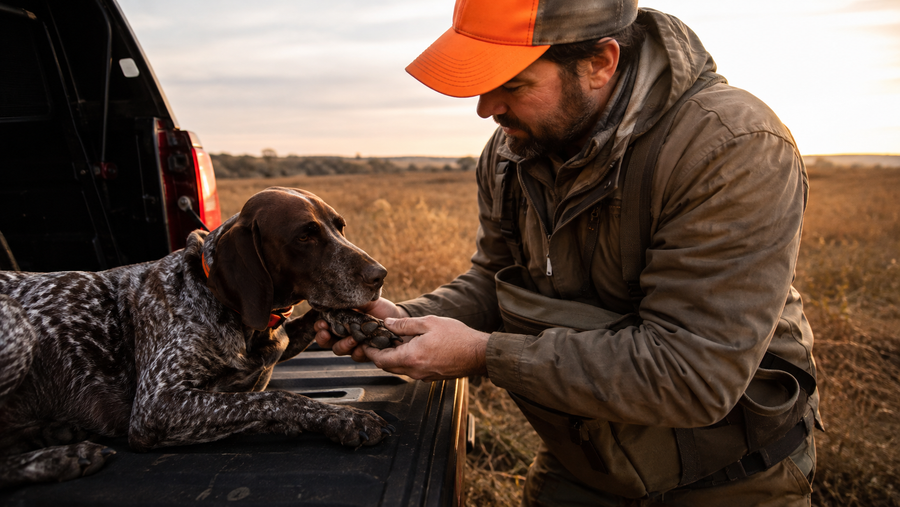
Rough elbows often build slowly from repeated pressure, which makes them easy to ignore. The smart routine compares both elbows, checks the dog’s resting surfaces, and separates ordinary thickened skin from swelling, pain, fluid, or an open sore.
Start with the dog, not the bottle
Look at the whole dog before focusing on the elbow. Senior dogs, large dogs, thin-coated dogs, dogs that sleep on concrete, and dogs that struggle to rise may spend more time loading the same pressure points.
Compare left and right in the same light. Feel gently for temperature and texture without squeezing a swollen area. Note whether the dog chooses hard floors even when padding is available and whether mobility makes changing position difficult.
Texture
Dry, thickened skin is different from a fresh crack, moist sore, scab, or bleeding area.
Shape
A soft or firm swelling, fluid pocket, or sudden asymmetry deserves veterinary attention.
Behavior
Licking, guarding, reluctance to lie down, or difficulty rising changes the urgency.
Environment
Concrete, tile, kennel floors, thin mats, and repeated favorite resting spots add pressure.
A calm step-by-step routine
- Photograph both elbows for a baseline.
- Check bedding thickness, placement, dryness, and whether the dog actually uses it.
- Keep normal rough skin clean and dry without aggressive scrubbing.
- Discourage repeated licking and prevent friction from rough surfaces.
- Use a dog-specific grooming product only when the skin is intact and comfortable.
- Recheck weekly, or sooner when the area changes.
Where K9 TheraMud™ fits
K9 TheraMud™ is the heavier dog skin-and-coat grooming step for intact rough external areas. Apply lightly according to the label. It does not replace better bedding, mobility evaluation, weight management guidance, or veterinary care for swelling and open skin.
What a topical routine cannot answer
A rough callus, pressure sore, hygroma, infection, mass, and injury are not the same problem. The outside appearance alone may not tell you what is underneath.
Dogs that have trouble rising, avoid lying on one side, or develop repeated elbow swelling need the cause addressed rather than a thicker layer of product.
Frequently asked questions
Should I use a dog-care product right away?
Check and clean the area first. Use K9 TheraMud™ only when the skin is intact, the dog is otherwise acting normally, and the product fits the job described on the label.
Can I use horse liniment on this area?
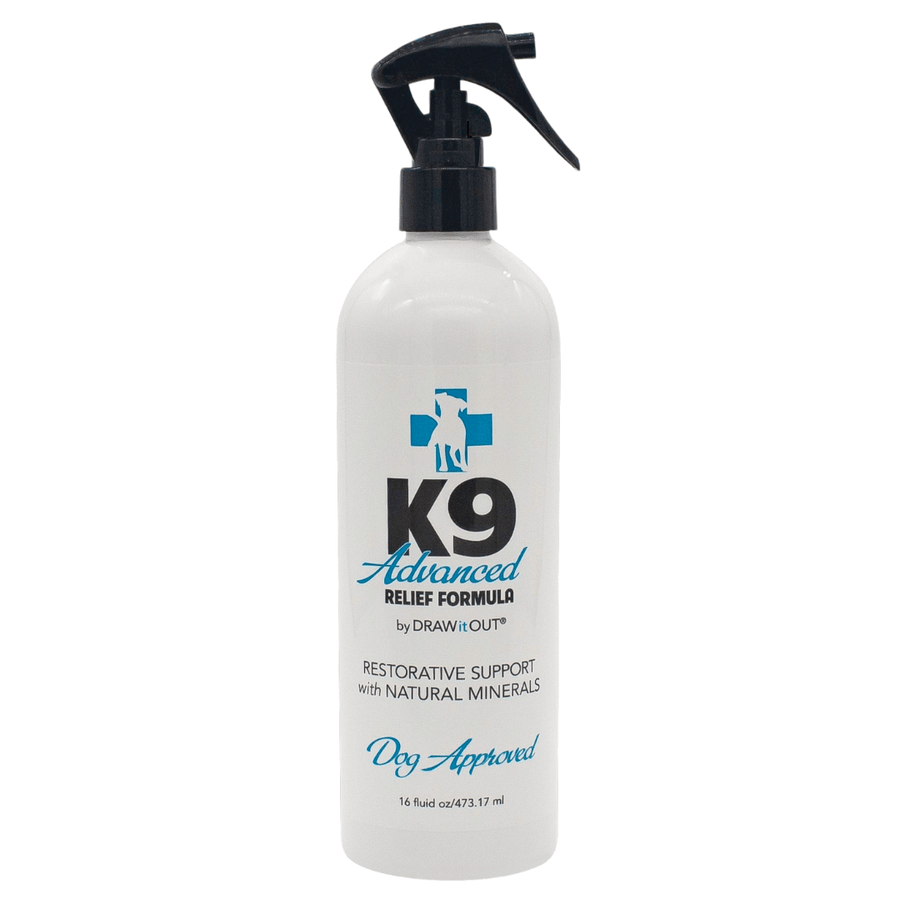
Use dog-specific products for dogs. K9 Advanced™ is the canine lane; horse liniment remains the horse-care lane.
When should I call my veterinarian?
Call your veterinarian for a fluid pocket, significant swelling, heat, pain, bleeding, discharge, odor, an open sore, sudden growth, fever, reduced appetite, difficulty rising, or an area that worsens despite improved bedding.
Keep the K9 routine simple
K9 products and ingredient guide · K9 routine hub · K9 blog
General dog-care education only. Follow current product labels. K9 Advanced™ products do not diagnose, treat, cure, or prevent disease and do not replace veterinary care.