
Sep 14, 2026
March 2026 Real Rider of the Month: Abby Pacheco
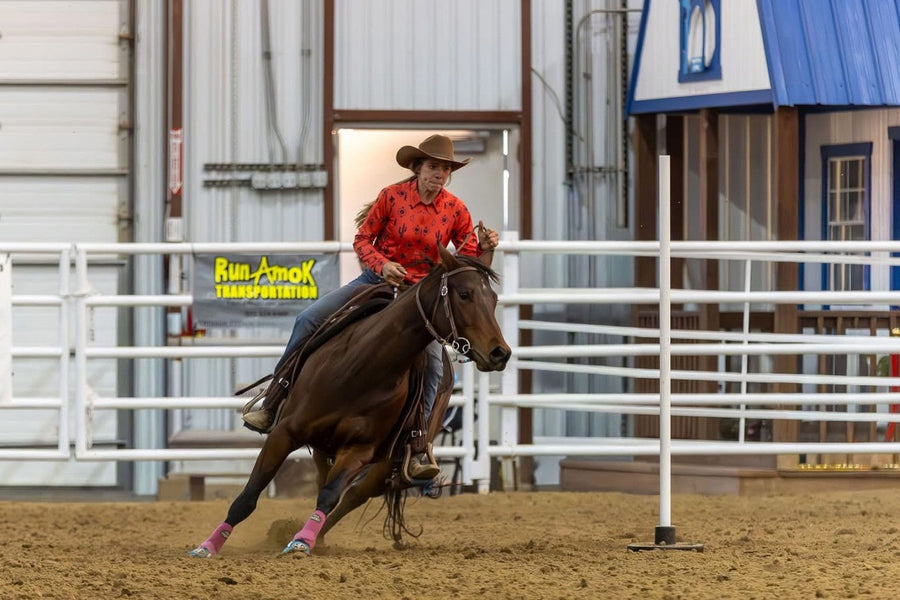
March took the scenic route. Meet Abby Pacheco, our belated March 2026 Real Rider: a Colorado trainer, barrel racer, and backcountry ride...

A dry dog nose is not automatically an emergency. But after wind, dust, truck windows, barn lots, summer heat, and long outdoor days, it is worth checking the whole dog, not just the nose.
If your dog’s nose is dry after wind, dust, or outdoor activity, check nose texture, cracking, pawing at the face, water intake, heat exposure, eyes, appetite, and energy. A mild dry nose can happen. Call your veterinarian for cracks that bleed, discharge, swelling, pain, lethargy, abnormal breathing, or behavior changes.
Owners notice the nose because it is easy to see. The better question is what else changed. Was the dog in wind all day? Riding with their head near a window? Working through dust? Drinking less? Sleeping in heat? Those details help you decide whether it is routine dryness or a bigger concern.
Get the dog out of wind and dust. Offer clean water. Keep the next outing moderate. Avoid putting random human products on a dog’s nose. If the nose is cracked, bleeding, swollen, or painful, call your veterinarian.
If dryness follows a hot, active outing, use the 3-minute dog cool-down routine while you check hydration and recovery.
Persistent crusting, marked thickening, pigment loss, erosion, bleeding, sores that do not heal, swelling, frequent sneezing, or discharge from one or both nostrils are not routine weather dryness. These changes can have several causes and need a veterinary examination rather than a home-care guess.
Not specifically. K9 Hydrating Nose Balm is retired, and the currently published K9 products are not substitutes for a nose balm or veterinary evaluation. Do not apply K9 Advanced™ Relief Spray, K9 TheraMud™, dog shampoo, or human skincare to the nose unless the current label and your veterinarian support that use. The K9 dog care collection remains available for other labeled skin, coat, grooming, and post-activity routines.
Call your veterinarian for bleeding cracks, discharge, swelling, pain, persistent rubbing, lethargy, appetite loss, abnormal breathing, or a dog that seems sick.
No. A dog’s nose may feel drier after sleep, wind, dust, weather changes, or outdoor activity. Check the whole dog and watch for persistent crusting, cracks, discharge, pain, swelling, or behavior changes.
A dry nose can appear with dehydration, but it is not enough to judge hydration by itself. Check water intake, gums, energy, appetite, vomiting or diarrhea, heat exposure, and overall behavior. Contact your veterinarian when those signs are abnormal or you are unsure.
Do not use a random human product without veterinary guidance. Dogs may lick what is applied, and ingredients or fragrances made for people may not fit canine use.
Call for bleeding cracks, persistent crusting or thickening, pigment loss, sores that do not heal, discharge, swelling, pain, frequent sneezing, abnormal breathing, lethargy, appetite loss, or a dog that seems sick.
March took the scenic route. Meet Abby Pacheco, our belated March 2026 Real Rider: a Colorado trainer, barrel racer, and backcountry ride...
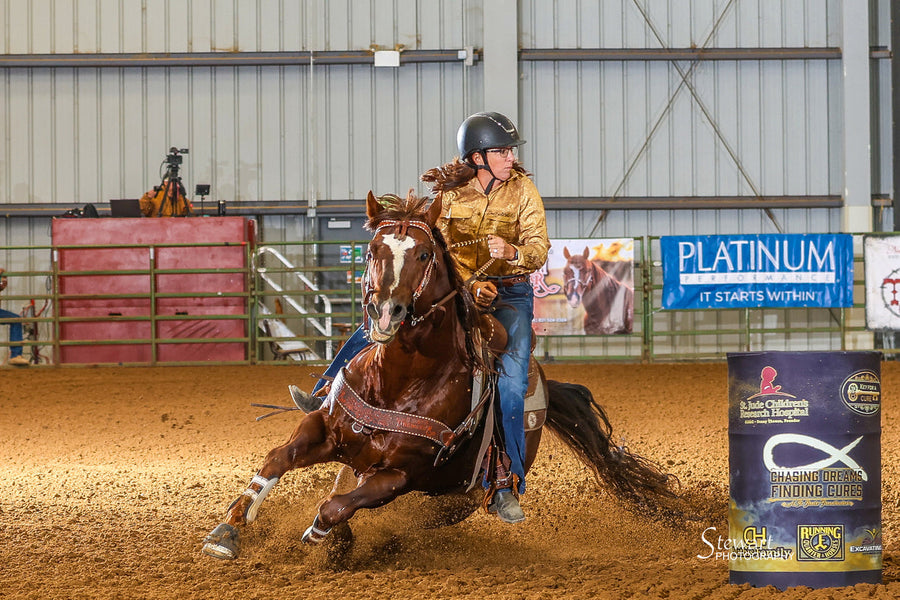
Meet Janel Flook of Running F Quarter Horses, our September 2026 Real Rider. Her story brings together 46 years with horses, a return to ...

Still fighting flies as summer winds down? Learn how to spot gaps in your barn routine, evaluate fly-spray claims, and decide where Citra...
!