Real Rider Resource
Before You Buy Another Horse Care Product, Read This
The barn does not need another random bottle. It needs a clear answer to three questions: what changed, is this a routine-care problem, and which single product format actually fits the job.
The product pile starts with a decision problem
Riders often buy by symptom word—sore, swollen, stiff, itchy—without asking what created the change. That turns the tack room into a shelf of overlapping promises while the horse still has the same unanswered question.
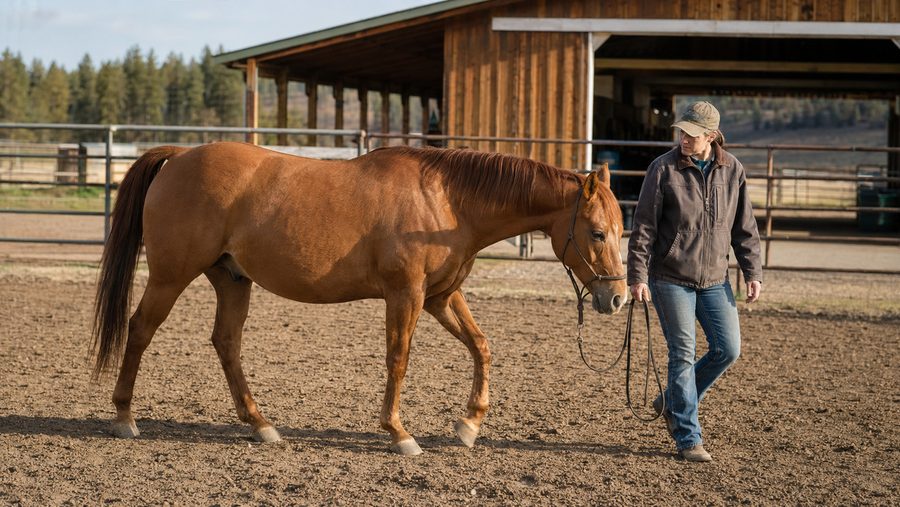
A better system starts with the body and the timeline. Where is the concern? When did it start? What changed in work, turnout, travel, footing, tack, weather, bathing, or feed? What does the horse look like before and after movement?
Body support
Use this lane for normal pre-ride and post-ride muscle-care routines after red flags are ruled out.
Skin and coat
Choose a skin-care or grooming format based on whether the job is cleaning, a light spray, a cream, or a stay-put salve.
Hoof care
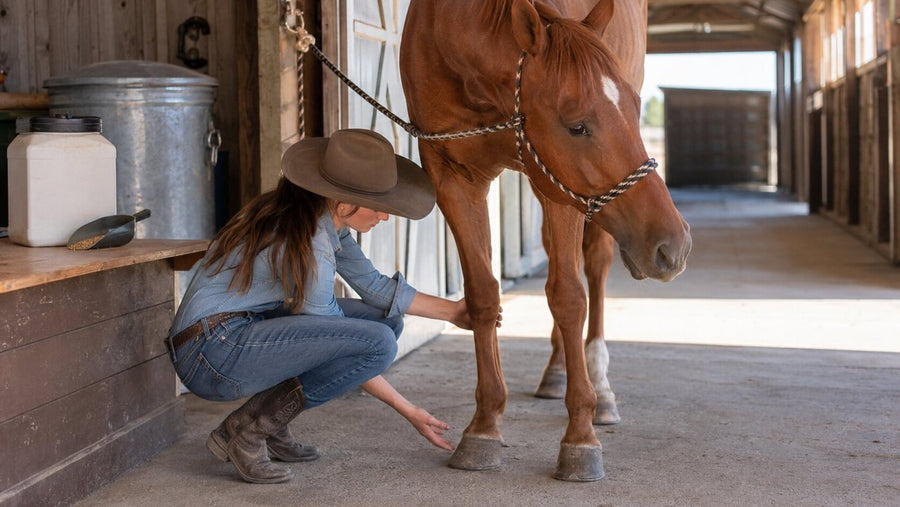
Hoof heat, pulse, pain, punctures, and sudden lameness are farrier or veterinary questions before they are product questions.
Hydration and mobility
Supplements support routines; they do not explain sudden weakness, non-weight-bearing lameness, or a horse that is not drinking.
Use this five-step buying filter
- Name the exact job in one sentence.
- Check whether the horse needs a veterinarian, farrier, saddle fitter, or trainer first.
- Choose the species-specific product lane and the simplest format that fits.
- Read the full label, including warnings and use directions.
- Buy enough to keep the routine consistent, not enough to create clutter.
Where Draw It Out® fits
For most riders entering the Draw It Out® body-care lane, the 16oz Liniment Gel is the practical starting point. It stays where it is placed and fits normal pre-ride, post-ride, hauling, and next-day routines when the horse has been checked and routine topical care is appropriate.
View Draw It Out® 16oz Liniment Gel → · Use the Horse Solution Finder
When the product question stops
Do not compare bottles while the horse is getting worse. A product cannot diagnose lameness, infection, tendon injury, fracture, colic, dehydration, saddle fit, or training pain.
The strongest buying decision is sometimes not buying yet. Get the right eyes, learn what the problem is, then build the shelf around the answer.
Frequently asked questions
How many horse-care products do I really need?
Start with the jobs your horse actually presents and one product per clear lane. Add only when a distinct routine requires a different format.
Should I buy gel, spray, or concentrate first?
Choose gel for targeted stay-put application. Choose concentrate for broader coverage and mixing flexibility. Choose a ready-to-use spray when speed and no mixing matter, subject to current availability.
When should I call a veterinarian?
Call for lameness, marked heat or swelling, fever, wounds, colic signs, abnormal breathing, severe pain, neurologic changes, or a sudden major change from the horse’s normal.
General horse-care and riding education only. It does not replace veterinary care, farrier care, saddle fitting, or professional training.