
Aug 13, 2026
Post-Ride Grooming as a Recovery Check: What Real Riders Notice
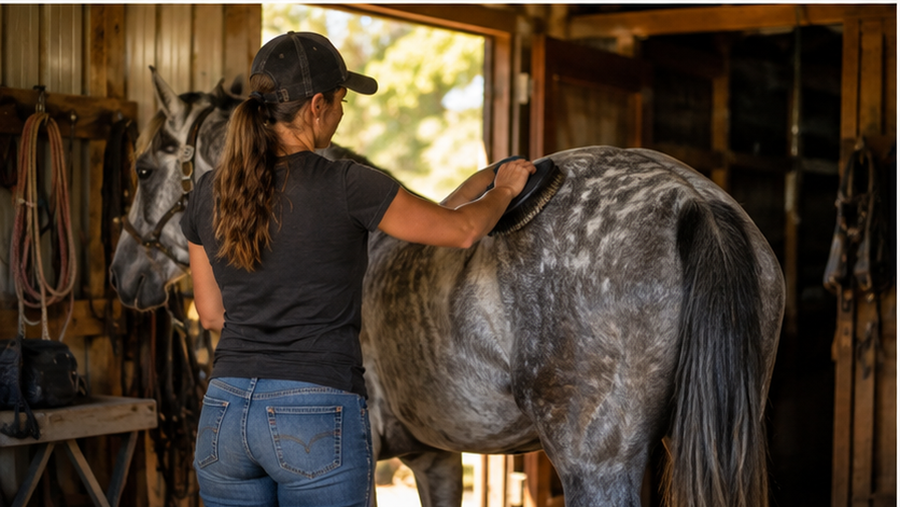
Turn post-ride grooming into a repeatable recovery check by comparing tack areas, legs, feet, back, movement, and changes from your horse...

Ear irritation guide
Ear irritation in horses can involve mites, ticks, gnats, flies, fungus, wounds, allergies, head shyness, or pain. Do not assume every itchy ear is mites.
Quick answer: If a horse is shaking its head, rubbing ears, resisting bridling, or showing crusting/discharge, check gently and involve your vet if there is pain, odor, drainage, blood, deep debris, swelling, or severe sensitivity.
Use product only on appropriate external skin areas and only when the issue is not inside the ear canal or requiring veterinary treatment.
Educational support only. Ear problems can be painful and hard to evaluate safely. Use veterinary guidance when the ear canal or severe sensitivity is involved.
Turn post-ride grooming into a repeatable recovery check by comparing tack areas, legs, feet, back, movement, and changes from your horse...
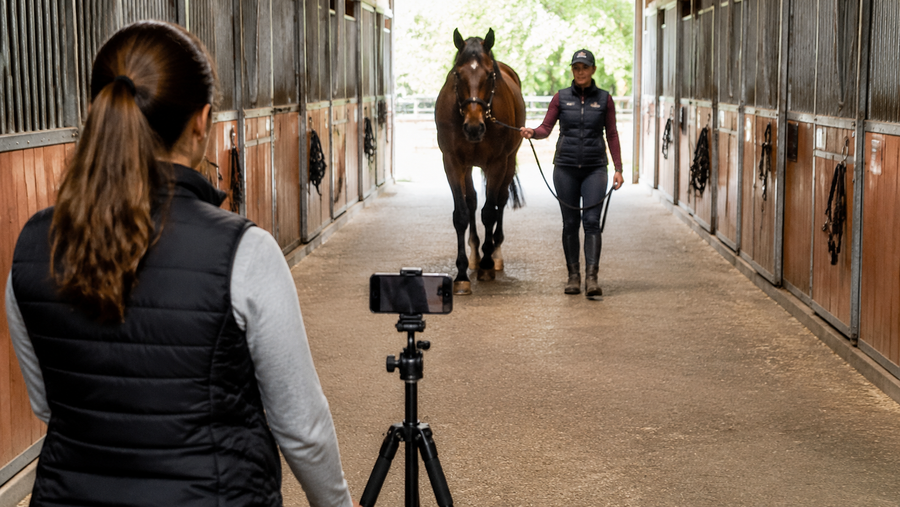
Film a clearer horse trot-up video with safe footing, steady angles, full-body framing, a practical shot list, and useful notes for your ...
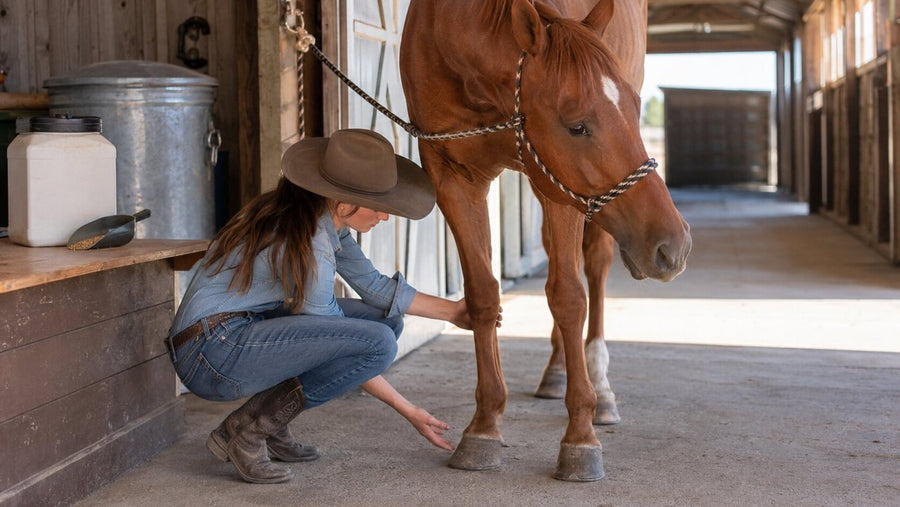
Compare external horse liniment with daily feed-through joint support and learn when one, both, or professional evaluation comes first.
!