

Jul 18, 2026
The Quiet Barn Check Before a Big Clinic
Prepare for a riding clinic with a calm check of health, feet, legs, tack, hauling, water, goals, workload, cooling, and next-day recovery.

Real Rider Resource
EMS is not fixed by one supplement, one dry lot, or one week of good intentions. It is a long-game management issue built around veterinary guidance, diet discipline, hoof awareness, and daily consistency.
Equine Metabolic Syndrome can be frustrating because the horse may look “easy keeping” long before the situation feels serious.
A cresty neck, stubborn weight, regional fat deposits, foot soreness, or pasture sensitivity can all become part of the conversation. The serious part is not how the horse looks in a photo. The serious part is hoof risk and long-term metabolic management.
EMS care is not dramatic. It is consistent. Feed, feet, turnout, movement, and records have to line up.
If you suspect EMS, involve your veterinarian. Testing may include bloodwork and a review of body condition, diet, pasture access, exercise, hoof history, and related risk factors.
The goal is not to label the horse and move on. The goal is to build a practical management plan that the owner can actually follow.
EMS management often starts with feed and forage decisions. That may include hay testing, controlled calories, reduced non-structural carbohydrate intake, careful pasture access, and removing high-sugar treats or feeds unless your veterinarian or nutrition professional says otherwise.
The hard part is not knowing that diet matters. The hard part is doing it every day when the horse is begging, the barn is busy, and someone wants to “just give him a little.”
EMS conversations should include the feet. Hoof comfort, digital pulse, sole sensitivity, laminitis history, trim schedule, and farrier communication all matter.
If the horse is foot sore, standing oddly, rocked back, reluctant to move, or showing sudden hoof discomfort, do not treat it like normal stiffness. Call the veterinarian and farrier.
Movement can be helpful for some EMS horses, but only when the horse is safe and comfortable enough for exercise. Active hoof pain changes the plan. Ask your veterinarian when and how to build movement back in.
Support products should fit the metabolic plan. Electrolytes, treats, supplements, and routine products should not quietly add sugar or calories that undermine the work.
Draw It Out® routine support
Hydro-Lyte® with GastroCell® was built for riders who care about sugar-conscious electrolyte support and clear serving math.
Support products do not replace EMS management. They should fit the veterinary and nutrition plan.
EMS care is responsibility repeated. Know the horse’s risk, manage the diet, protect the feet, build safe movement when appropriate, and stop pretending one product can replace a disciplined plan.
Educational only. This article is not a substitute for veterinary diagnosis, nutrition planning, or farrier guidance. Suspected EMS, hoof pain, laminitis risk, weight-management issues, or metabolic concerns should be discussed with your veterinarian.
Prepare for a riding clinic with a calm check of health, feet, legs, tack, hauling, water, goals, workload, cooling, and next-day recovery.
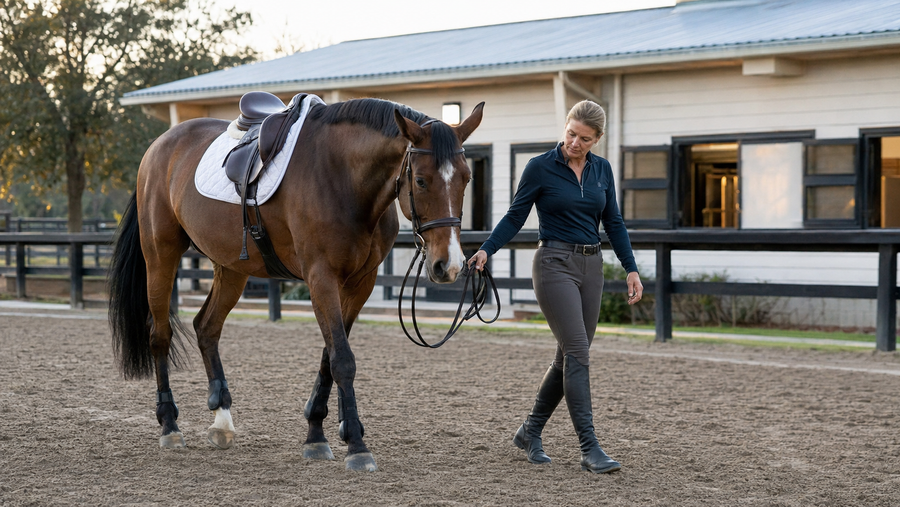
When a horse feels one step behind, check cue clarity, rhythm, balance, rider timing, fatigue, heat, footing, tack, pain, and recovery.
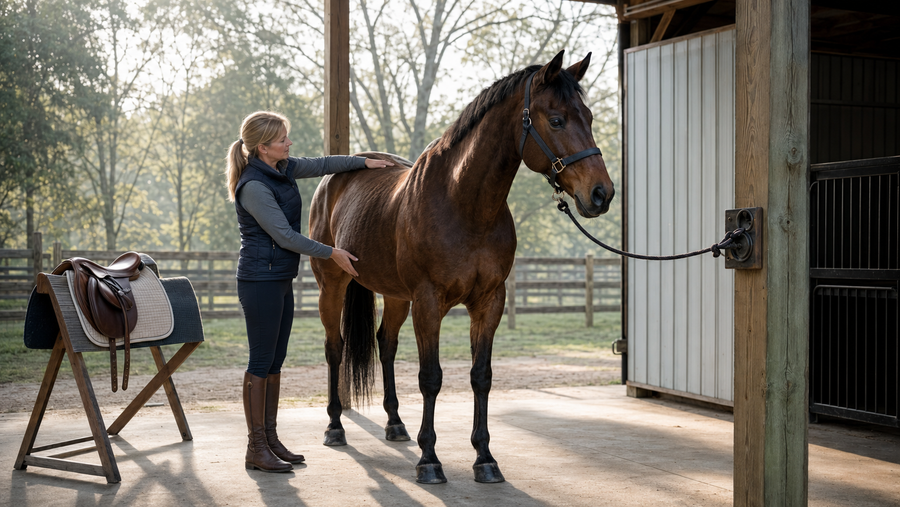
A Real Rider Resource guide for checking the horse before tack so riders make better decisions before the ride starts.
!