
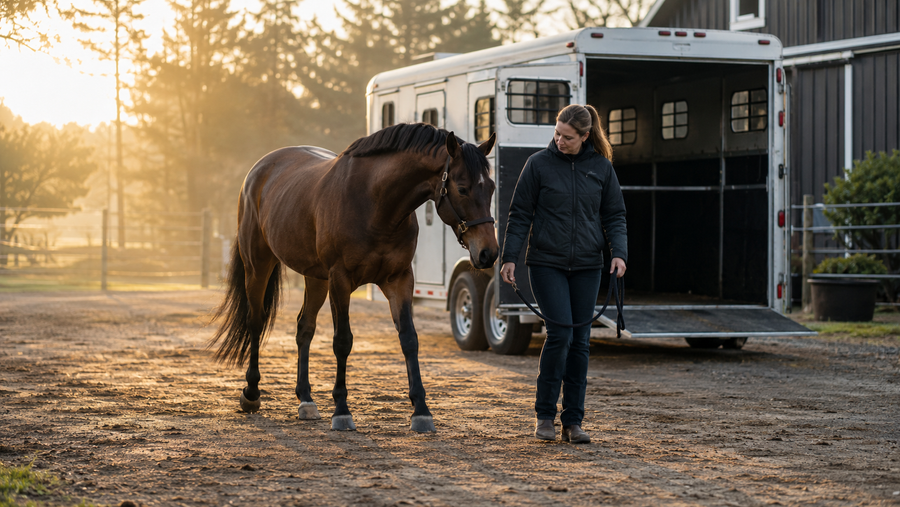
Jul 14, 2026
The Day After a Long Haul: What Real Riders Notice
The morning after a long haul, check first steps, feet, legs, back, water, appetite, manure, temperature, attitude, and readiness to work.

Real Rider Resource
You do not need to be a veterinarian to learn the landmarks. A rider who knows the cannon, fetlock, pastern, tendons, ligaments, hoof, and digital pulse can spot small changes earlier.
Quick answer: Horse leg anatomy starts with a simple lower-leg map: knee or hock, cannon bone, fetlock, pastern, and hoof. The key soft-tissue structures riders hear about most are the superficial digital flexor tendon, deep digital flexor tendon, suspensory ligament, check ligament, and extensor tendon.
Barn next step
Heat, swelling, lameness, strong digital pulse, or sudden change comes first. After red flags are ruled out, product support belongs in a routine built around what the leg is telling you.
Read Digital Pulse GuideShop Liniment GelEducational support only. This page does not diagnose injury, lameness, tendon damage, ligament damage, hoof pain, or swelling. Use it to observe better and call the right professional sooner.
The morning after a long haul, check first steps, feet, legs, back, water, appetite, manure, temperature, attitude, and readiness to work.
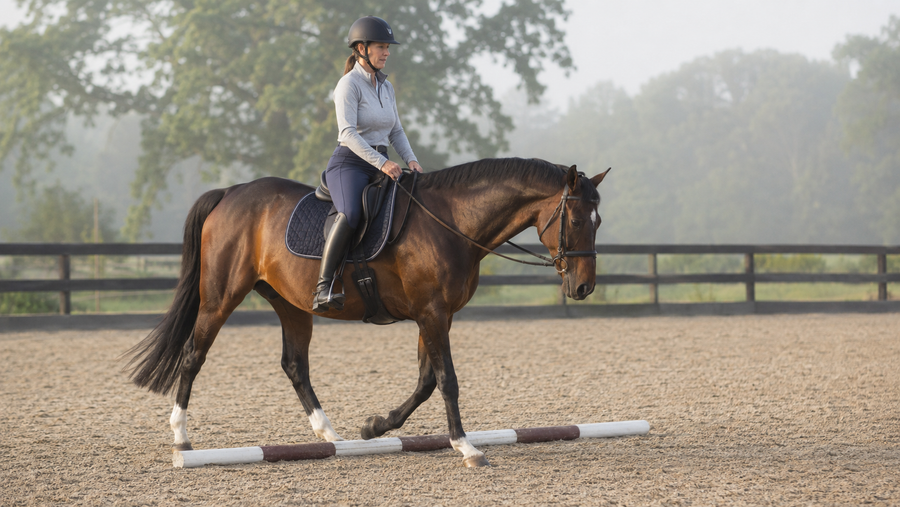
A sticky warm-up can reflect rider timing, tack, footing, fatigue, confusion, or pain. Use the first minutes to simplify, assess, and cha...
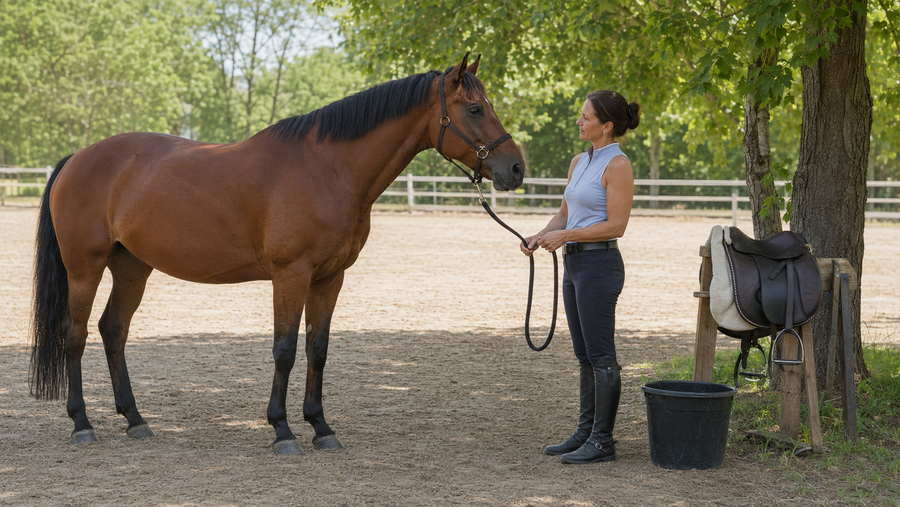
A Real Rider Resource guide for checking heat, workload, recovery, tack, discomfort, and behavior before labeling a summer horse tired or...
!