
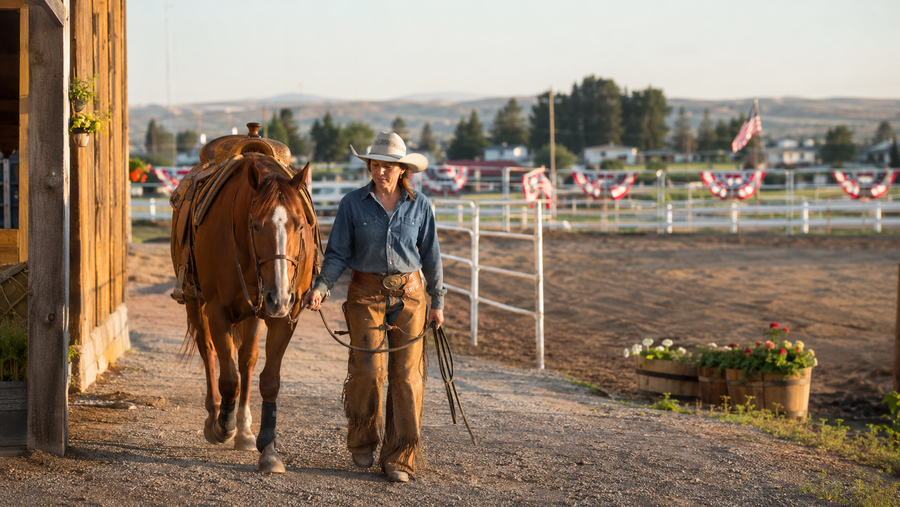
Jul 04, 2026
Ride Quiet on the Fourth: What Real Riders Remember Before the Noise
A Real Rider Resource guide for Fourth of July barn routines, quieter rides, firework disruption, and checking the horse before the day g...

Managing Spring Temperature Swings for Your Horse
Spring doesn’t arrive gently.
It swings.
You walk into the barn at sunrise and your breath is visible. By mid-afternoon, you’re peeling off layers. Your horse is living that same shift, every single day.
And while it feels normal to us, it creates a constant adjustment cycle inside their body.
---Cold mornings tighten muscle tissue. Warm afternoons loosen it.
That means your horse is going through a daily reset:
Over time, that inconsistency shows up as:
It’s not a problem. It’s just the body reacting to an unstable environment.
---Joints rely on fluid movement and consistent circulation.
Cool temperatures can slightly restrict fluid movement, while warmth allows smoother motion.
That’s why a horse can feel:
Same horse. Same workload. Different conditions.
---Spring is where blanketing becomes less about rules and more about awareness.
Too much overnight warmth can lead to sweating during the day. Too little can create unnecessary tightening before morning rides.
Instead of guessing, watch:
It’s not about perfection. It’s about staying ahead of the swing.
---This is where riders either stay ahead…or fall behind.
During temperature swings, warm-ups are doing real work:
Rushing through this phase is where stiffness tends to show up.
---If you have flexibility, your ride time can directly affect performance.
Midday and early afternoon rides often align with:
Morning rides aren’t wrong. They just demand more preparation.
---Spring doesn’t break horses down.
It just exposes gaps in preparation.
Small, repeated stress from temperature swings can add up if ignored. This is where proactive care comes into play.
That’s the idea behind Prehabilitation—supporting the body before issues show up.
Find the Right SolutionLearn About Prehabilitation
Explore Liniment Gels ---
It just feels that way.
What’s actually happening is transition. A recalibration period where your horse is adjusting daily to prepare for heavier work ahead.
The riders who recognize that—and adjust with it—end up with horses that stay more consistent, more comfortable, and more willing as the season progresses.
---Spring temperature swings create daily shifts in muscle and joint function. Horses may feel stiff in the morning and fluid later in the day. Proper warm-ups, thoughtful blanketing, and proactive care help maintain consistency through the transition.
---Cool overnight temperatures can tighten muscles and reduce joint fluid movement. As the day warms up, tissues loosen and movement improves.
If possible, riding later in the day can align with warmer muscles and improved flexibility, reducing stiffness during work.
Yes. Fluctuating temperatures can cause inconsistent muscle and joint function, leading to variations in performance from ride to ride.
A Real Rider Resource guide for Fourth of July barn routines, quieter rides, firework disruption, and checking the horse before the day g...
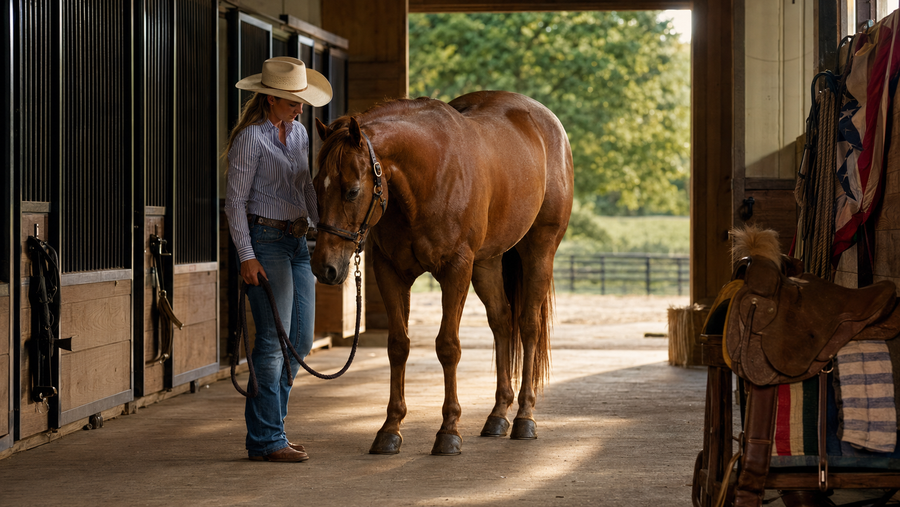
Fourth of July Real Rider Resource special edition: ride quiet, check the horse earlier, plan around heat and fireworks, and end fair.
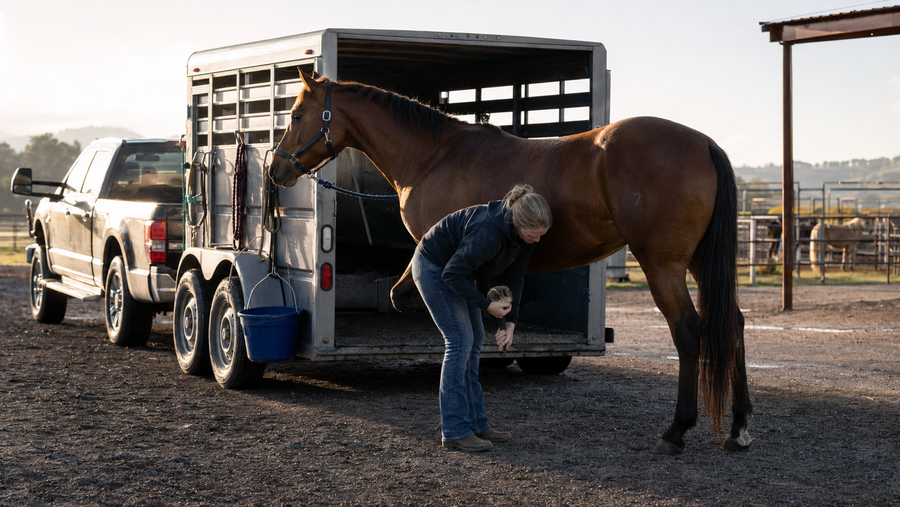
A practical Real Rider Resource guide for holiday weekend haul: what to check, what to track, when to change the plan, and when to ask fo...
!