Quick Answer
An easy day may suit a sound horse that benefits from low-stress movement without another hard workload. Choose walking, turnout, simple stretching, or light familiar work only after checking feet, legs, back, attitude, breathing, and recovery. Pain, lameness, illness, wounds, abnormal breathing, or significant swelling calls for rest and professional guidance, not an “easy ride.”
Easy movement and a day off are both useful tools. The right choice depends on the individual horse, the recent workload, turnout, health, footing, weather, and what recovery looks like today.
Start With the Horse’s Baseline
Watch the first steps, check appetite, water, manure, feet, legs, back, and attitude. A horse that is normal but mentally or physically tired presents a different question from a horse that is painful or abnormal.
It has a purpose, a limit, and a clear reason to stop.
What an Easy Day Can Include
- Turnout in a safe setup.
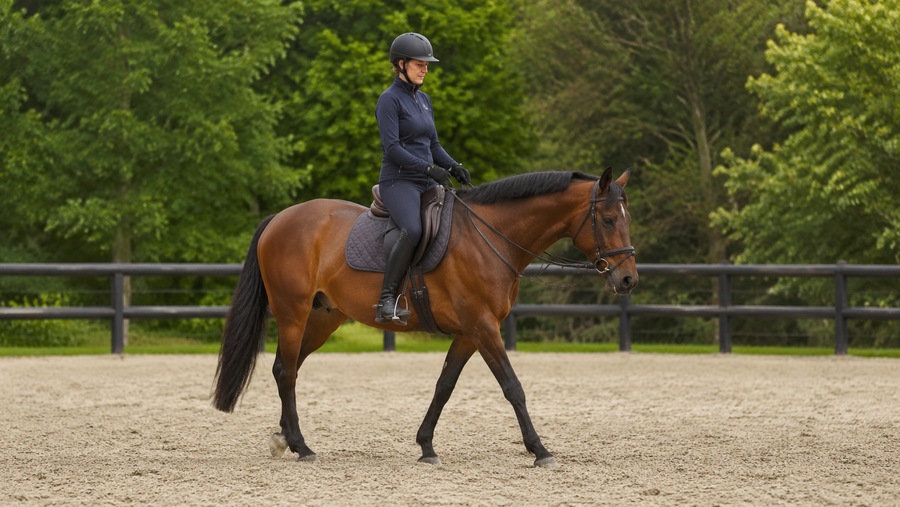
- Quiet hand walking or riding at the walk.
- Large lines and simple familiar transitions.
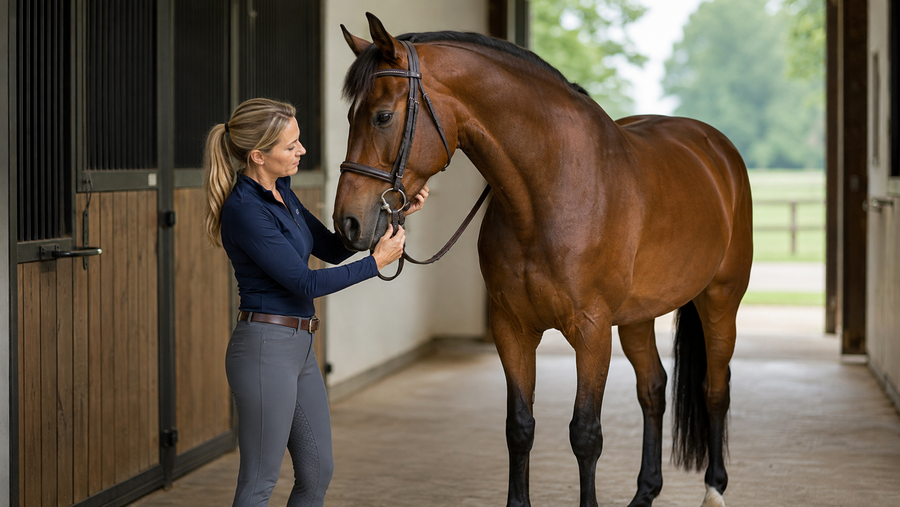
- Grooming, mobility work directed by a qualified professional, or relaxed ground manners.
- A short session that ends before fatigue.
What an Easy Day Should Not Become
Do not let “just a walk” become speed work, small circles, repeated hills, deep footing, difficult patterns, or a long social trail ride. Measure the actual work, not the label you gave the day.
When a Day Off Is Better
Rest or veterinary guidance may be appropriate for pain, lameness, illness, wounds, fever, abnormal breathing, significant swelling, severe fatigue, or incomplete recovery. Some horses also need true mental downtime rather than a lower-pressure training session.
Recheck the Result
Notice how the horse moves after the easy session and the next morning. If movement improves and the horse stays comfortable, the plan may have fit. If the horse worsens or repeatedly needs easy days to feel normal, investigate.
Where Draw It Out® Fits
An external Draw It Out® liniment may fit a familiar, label-directed grooming routine for an appropriate horse. It does not make an abnormal horse suitable for exercise.
FAQ
When does a horse need an easy day?
When the horse is sound and normal but would benefit from low-stress movement rather than another demanding workload.
Is an easy day the same as rest?
It can support recovery, but true rest and easy movement are different tools.
When should the horse not be worked?
Do not work through pain, lameness, illness, wounds, abnormal breathing, significant swelling, or worsening recovery.
General riding education only. This article does not diagnose a horse and does not replace veterinary advice.