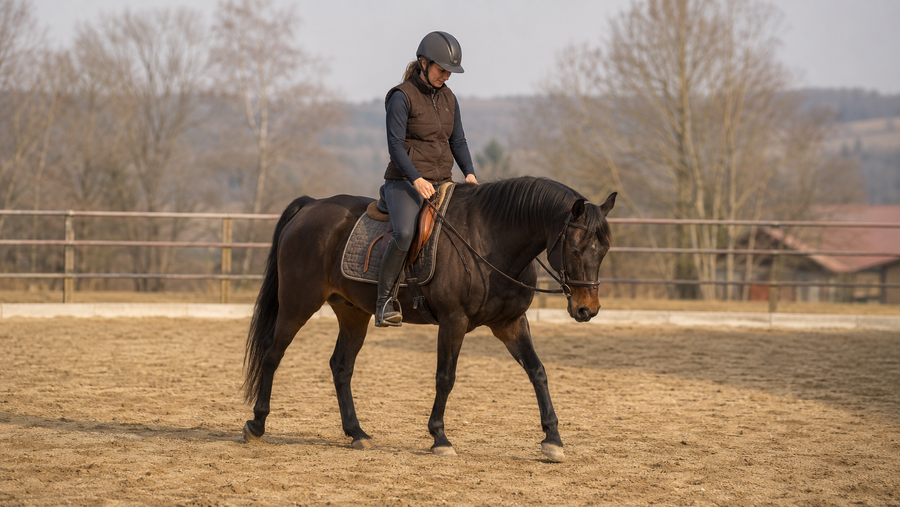


Horse Stumbles at the Walk: What Riders Should Record
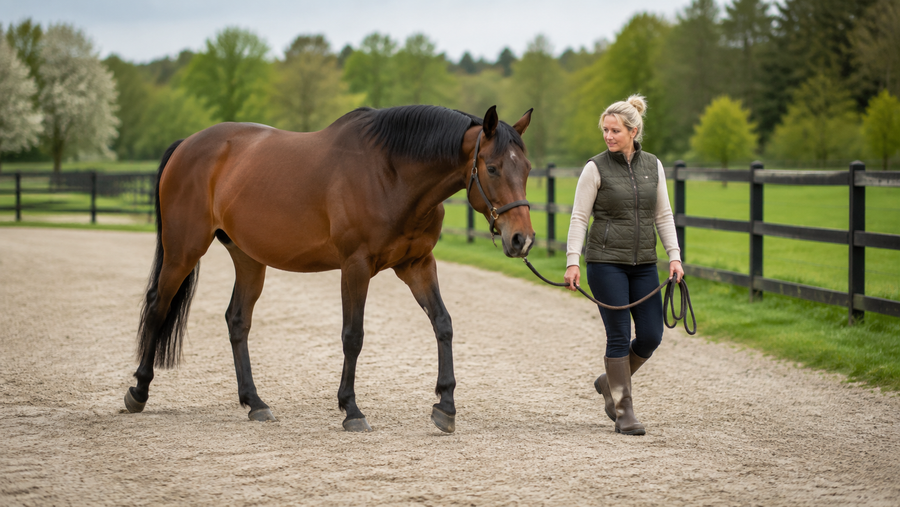
One trip can happen. A new or repeated stumble is a reason to stop, observe, and record the pattern. Use this rider checklist before the vet or farrier...
Free U.S. shipping at $50+
No code needed.
Shipping detailsFrom Draw It Out®
The everyday decisions behind good horse care. Find practical checks, barn routines, and clear questions to take to the professionals on your horse’s team.
Showing: Horse Care
One trip can happen. A new or repeated stumble is a reason to stop, observe, and record the pattern. Use this rider checklist before the vet or farrier...
Before another supplement, gadget, or training fix, look at the foundation. Friends, forage, and freedom give horses more of what they need to live and feel like horses.
A Labor Day tribute to the unseen work of real riders: early mornings, late nights, hard choices and the daily responsibility of putting the horse first.
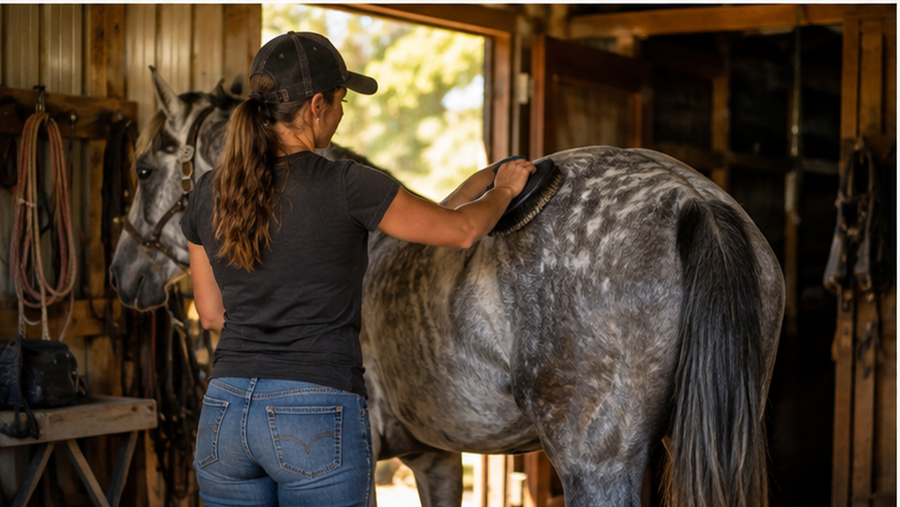
Turn post-ride grooming into a repeatable recovery check by comparing tack areas, legs, feet, back, movement, and changes from your horse's normal.
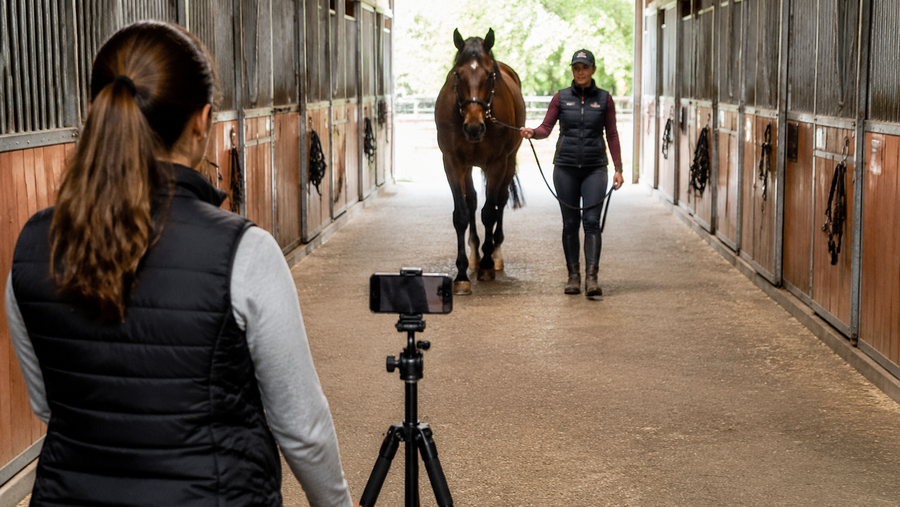
Film a clearer horse trot-up video with safe footing, steady angles, full-body framing, a practical shot list, and useful notes for your veterinarian.
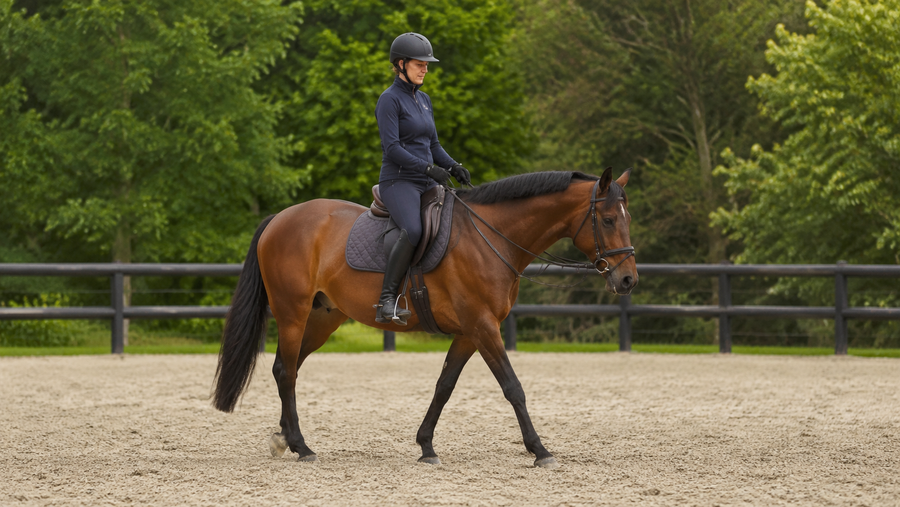
An easy day may suit a sound horse that benefits from low-stress movement. Learn when to choose walking, turnout, light work, rest, or veterinary help.
A Real Rider Resource guide for handling rides that start wrong by simplifying the ask and protecting the horse’s try.
A practical rider checklist for a horse that is not acting normal, covering baseline behavior, appetite, water, manure, movement, legs, feet, tack, workload, and veterinary red flags.
Before changing bits, check dental and mouth comfort, current fit, rider hands, tack, training clarity, body comfort, and when resistance appears.
Before adding speed, confirm steering, rate, rhythm, balance, footing, fitness, confidence, soundness, and recovery at the slower version.
Deep footing changes workload. Check breathing, feet, legs, shoulders, back, hind end, movement after rest, and next-day recovery.
When a horse feels heavy, separate balance, rhythm, rider contact, fatigue, footing, tack, confusion, and pain before adding pressure.
!