DIO
Horse CareHorse Health

Autumn Laminitis in Horses: Signs, Risks, and First Steps

Horse hoof health

Autumn Laminitis in Horses: Signs, Risks, and First Steps

Fall can change pasture growth, turnout, weather, body condition, and workload. Those changes deserve attention, but the calendar does not diagnose laminitis. The useful job is recognizing risk, spotting foot pain early, and calling your veterinarian before a small concern becomes a bigger one.

Quick answer: Laminitis is a painful hoof emergency involving the tissues that connect the hoof wall to the coffin bone. If a horse becomes reluctant to move, shifts weight repeatedly, stands rocked back, develops unusually strong digital pulses, or shows painful warm feet, stop work and call your veterinarian immediately. Do not force-walk a horse you suspect may have laminitis.

Why riders notice laminitis concerns in autumn

Autumn is not a single pasture condition. A dry lot in Utah, irrigated grass in the West, and a frost-affected pasture in the Midwest can present very different management questions. Fall may also bring shorter turnout windows, less regular exercise, weather swings, schedule changes, and horses carrying more weight than they did during the active season.

Laminitis risk is individual. Endocrine conditions such as equine metabolic syndrome or pituitary pars intermedia dysfunction can raise risk. Other recognized situations include excessive access to sugar or starch, serious systemic illness, and prolonged overload of one limb because the opposite limb is injured. That is why a horse’s history, body condition, diet, current illness, feet, and movement matter more than a seasonal slogan.

Signs that belong on your daily check

Movement changes

  • Short, careful steps or an “eggshell” walk.
  • Reluctance to move, turn, or walk on firm ground.
  • More time lying down or reluctance to rise.
  • A stance with the front feet placed forward to unload the toes.

Hoof and posture clues

  • Repeated weight shifting between feet.
  • Digital pulses that feel stronger than the horse’s normal.
  • Increased hoof warmth paired with discomfort.
  • Obvious pain when turning or picking up a foot.

Context that raises concern

  • A recent feed-room accident or sudden pasture change.
  • Known EMS, insulin dysregulation, or PPID.
  • Recent fever, diarrhea, retained placenta, or serious illness.
  • An injury causing prolonged extra weight on another limb.

Warm hooves alone do not confirm laminitis, and one stronger pulse after exercise does not diagnose it. Compare all four feet, consider recent work and footing, and look at the whole horse. Pain plus a change from baseline is the reason to stop guessing.

What to do when laminitis is possible

  1. Stop exercise. Do not ride, lunge, or “walk it out.”
  2. Call your veterinarian. Describe the horse’s stance, movement, digital pulses, hoof temperature, recent diet, pasture, illness, medication, and injury history.
  3. Minimize unnecessary movement. Ask the veterinarian how and whether the horse should be moved.
  4. Keep the situation quiet. Do not test the horse repeatedly on hard ground or tight turns.
  5. Follow the veterinary plan. Imaging, pain control, foot support, diet changes, testing, and farrier coordination depend on the individual case.

This is not a product-selection moment. Liniment, poultice, hoof dressing, supplements, and home remedies do not replace urgent veterinary assessment for suspected laminitis.

A practical autumn risk review

A prevention-minded review is less dramatic than an emergency and far more useful. Start with the horses most likely to need an individualized plan: easy keepers, horses with a cresty neck or regional fat deposits, horses with a prior laminitis episode, older horses with delayed shedding or other PPID concerns, and horses recovering from a significant injury or illness.

  • Ask your veterinarian whether metabolic or endocrine testing is appropriate.
  • Review pasture access and forage analysis with the veterinarian or equine nutritionist instead of relying on color, frost, or season alone.
  • Track weight and body condition consistently rather than waiting for a visual change.
  • Keep farrier visits regular and share radiographs or veterinary instructions when applicable.
  • Make feed changes gradually and secure grain or concentrate storage.
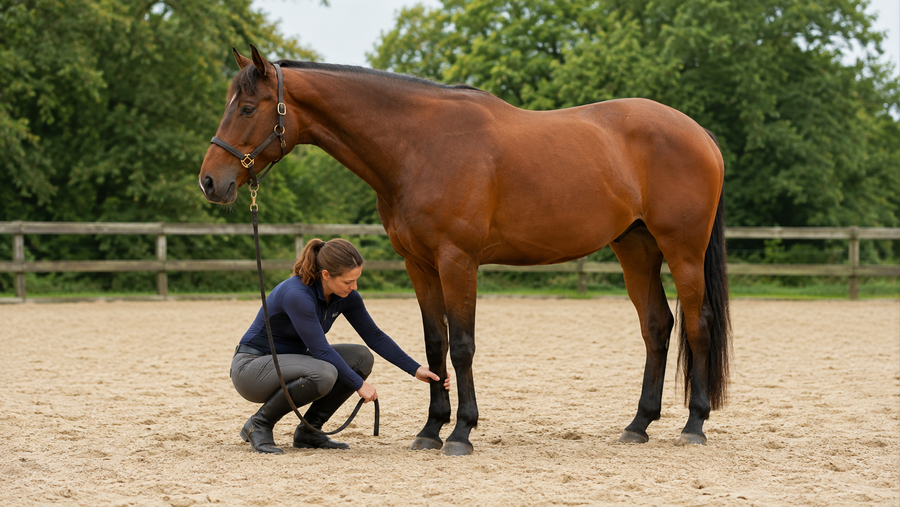
  • Learn each horse’s normal digital pulses, hoof temperature pattern, stance, and walk before you need that baseline.

Questions riders ask

Is autumn itself a cause of laminitis?

No. Autumn can change pasture, weather, turnout, workload, and body condition, but laminitis risk is tied to the individual horse and underlying factors such as endocrine disease, diet, serious illness, or supporting-limb overload.

Should I walk a horse that may have laminitis?

No. Do not force-walk a horse with suspected laminitis. Stop work, minimize unnecessary movement, call your veterinarian, and follow instructions for moving and supporting the horse.

What signs should trigger an urgent veterinary call?

Call immediately for reluctance to move, repeated weight shifting, a rocked-back stance, unusually strong digital pulses, painful warm feet, marked lameness, or a horse that is unwilling to rise.

Further Reading