
Aug 08, 2026
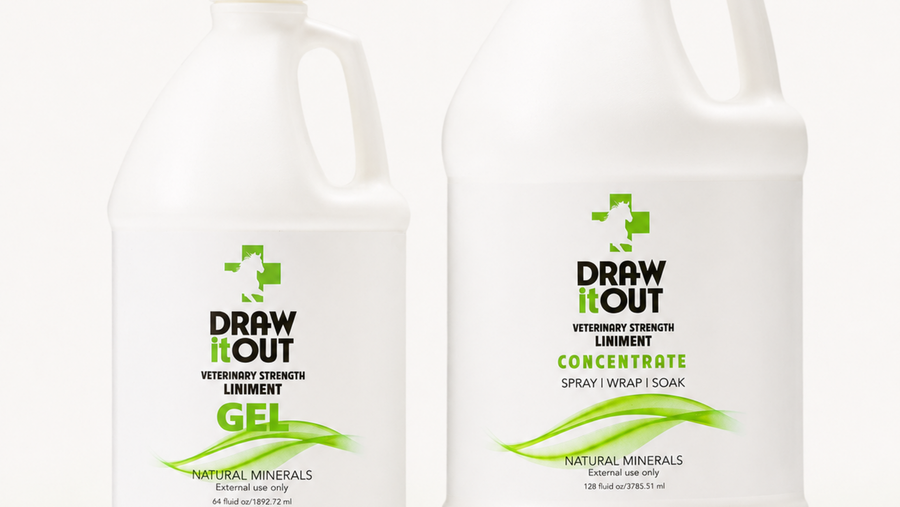
Can You Use Draw It Out® Liniment With Red Light Therapy for Horses?
A practical guide to sequencing equine red light therapy, massage and Draw It Out® Liniment without confusing separate tools or overstati...

New World screwworm is now a real U.S. dog-safety concern, but most dogs remain at low risk. Risk is higher for dogs in or recently traveling through confirmed areas, especially when they have an open wound, tick bite, irritated skin, or another break in the skin.
New World screwworm flies lay eggs in wounds or near body openings, and the larvae can damage living tissue. Check wounds closely, especially after travel through affected areas. A wound that suddenly enlarges, smells foul, drains blood or pus, appears unusually painful, or contains eggs or larvae needs immediate veterinary attention. Do not try to remove deeply embedded larvae or cover the area with a grooming product.
New World screwworm was eradicated from the United States decades ago, but U.S. animal detections returned in June 2026. Federal officials have confirmed cases in animals, including a dog, and the situation continues to be monitored through the USDA confirmed-detections dashboard.
The U.S. Food and Drug Administration issued an emergency authorization for a generic canine and feline medication on June 11, 2026. The FDA also emphasized that most U.S. pets remain at low risk and that risk is greater for animals recently in areas with confirmed cases. Read the FDA pet guidance.
New World screwworm is caused by the larvae of a parasitic fly. Female flies can lay eggs along the edge of a wound or near a mucous membrane. The larvae hatch and burrow into living tissue. Even a small skin break can matter, so owners should not assume a wound is too minor to inspect.
This is not the same as seeing ordinary flies around a dirty surface. Only a veterinarian or animal-health laboratory can confirm the cause of a suspicious wound.
Larvae can be too deep to see. A lack of visible maggots does not make a fast-changing, painful, or foul-smelling wound safe to watch at home.
Do not wait for the next day when a wound contains larvae, is expanding quickly, smells foul, drains blood or pus, or causes marked pain or weakness.
The Dog First Aid Kit Checklist can help owners organize transport supplies and veterinary contact information. A first-aid kit does not replace prompt care for a suspicious infestation.
Animal movement rules can change as new detections are confirmed. Before interstate or international travel, check the destination state's agriculture or animal-health department and the current USDA pet-travel guidance. Ask an accredited veterinarian whether a health certificate, wound inspection, treatment record, or entry permit is required.
Inspect the dog before departure and again after arrival. Tell the veterinarian about recent travel even when the wound appears small.
No. Screwworm is not a routine grooming or skin-conditioning issue. K9 sprays, mud masks, shampoos, and other topical products do not diagnose, treat, or prevent New World screwworm. Do not apply them to a suspicious wound or use them in place of veterinary care. For ordinary, non-emergency routines after a veterinarian has cleared the dog, return to the K9 by Draw It Out® dog care hub.
Yes. USDA confirmed U.S. animal detections beginning in June 2026 and maintains a current-status dashboard. Risk remains localized, and most U.S. dogs are considered low risk.
Yes. Dogs can be infested when flies lay eggs in a wound or near a body opening. A canine case has been confirmed during the current U.S. response.
A suspicious wound may enlarge quickly, smell foul, drain blood or pus, appear very painful, or show eggs or larvae. Larvae can also be too deep to see.
Do not dig into the wound or attempt deep removal. Contact a veterinarian immediately. Trained care may be needed to remove larvae, assess tissue damage, clean the wound, and coordinate required reporting.
Do not assume any flea, tick, wound, or grooming product prevents screwworm. Use only products specifically authorized for dogs and follow the official label and veterinary guidance. Some authorized treatments are short acting and do not prevent reinfestation.
They can. Requirements vary by destination and current outbreak zones. Check USDA guidance and the destination state's animal-health office before traveling.
A practical guide to sequencing equine red light therapy, massage and Draw It Out® Liniment without confusing separate tools or overstati...
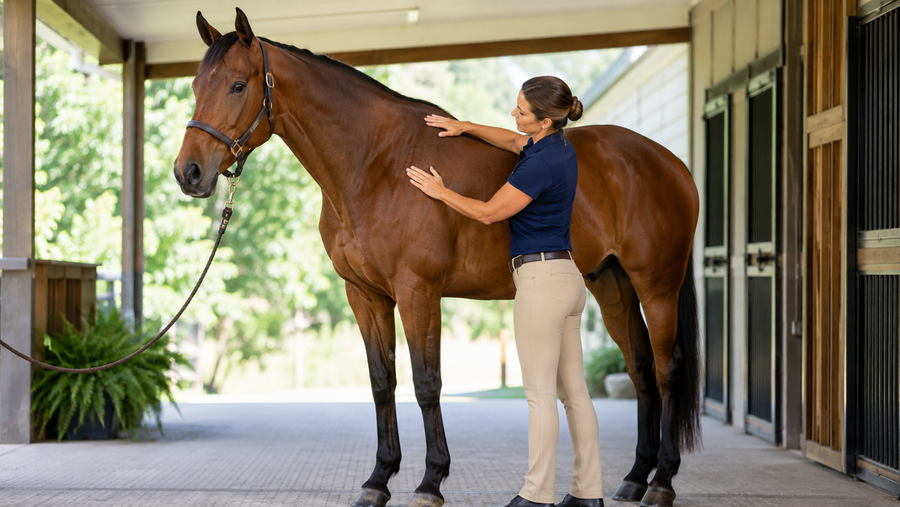
Why do equine bodyworkers, massage therapists and chiropractors choose Draw It Out®? Compare Gel and Concentrate, professional workflows,...
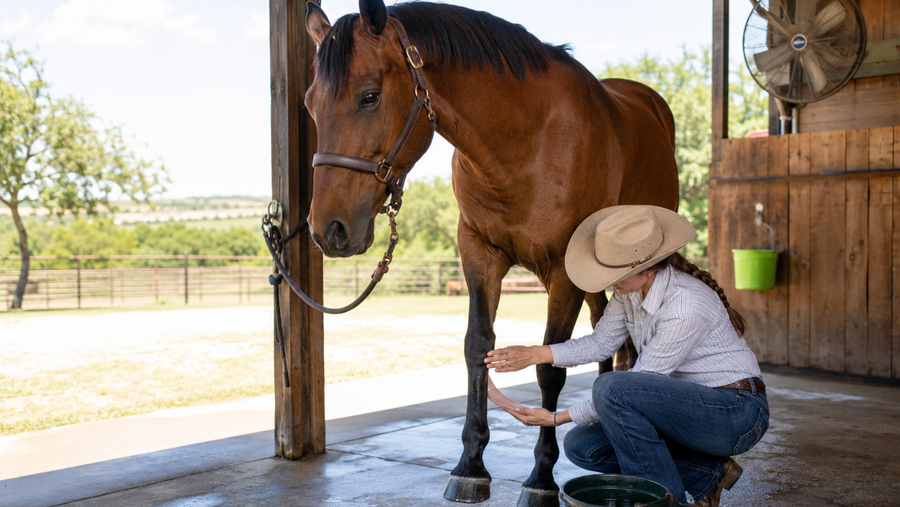
Can you use horse liniment during the heat of the day? Yes, but the horse's temperature, skin condition, and recovery matter more than th...
!