Quick Answer
Before a weekend jackpot, check the horse’s feet, legs, movement, water, appetite, manure, tack, hauling plan, weather, footing, warm-up, cooling, and recovery between runs. Do not let an entry fee override lameness, pain, heat, swelling, hoof problems, abnormal breathing, colic signs, or a horse that is not recovering normally.
The run may last seconds. The workload includes preparation, travel, waiting, warm-up, the ground, the run, cooling, and the haul home. A useful plan accounts for all of it.
Before You Leave
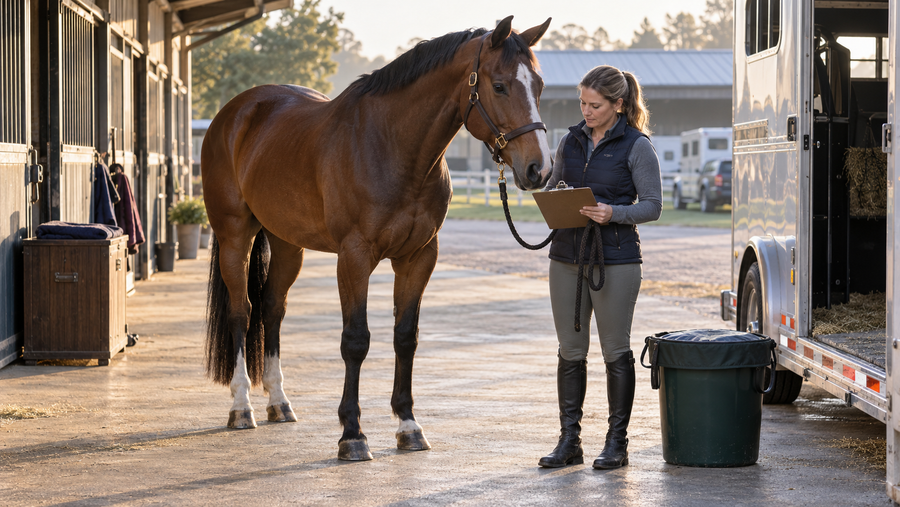
- Check feet, shoes, hoof wall, digital pulses, and normal movement.
- Compare legs for heat, filling, wounds, and sensitivity.
- Confirm appetite, water, manure, attitude, and normal temperature when indicated.
- Inspect trailer mats, airflow, partitions, tires, emergency supplies, and water plan.
- Pack familiar tack, feed, and care products. Event day is not the time to experiment.
You cannot judge event-day recovery if you do not know what normal looks like at home.
Read the Ground
Walk the approach, alley, warm-up, holding area, and competition surface when allowed. Note depth, hard spots, ruts, slick areas, and changes through the day. Adjust speed and warm-up instead of pretending every surface costs the same.
Warm Up Without Spending the Horse
Use enough work to confirm rhythm, response, soundness, and confidence. Repeated hard turns or full-speed efforts can use the horse before the actual run. A longer warm-up is not automatically a better warm-up.
Between Runs
Remove tack as appropriate, cool according to conditions, offer water, and recheck breathing, attitude, legs, and feet. Record how long recovery takes. A horse that is slower to recover, feels different, or develops a new physical finding needs a changed plan.
Where Draw It Out® Fits
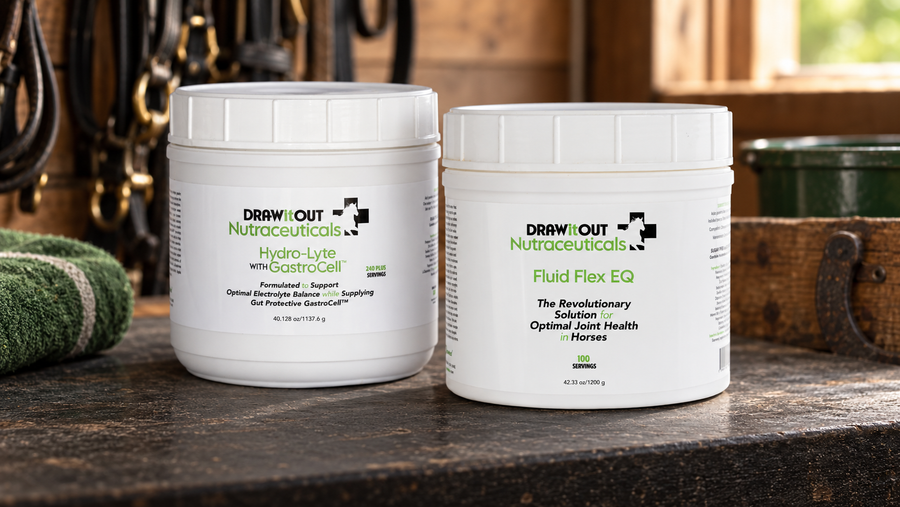
Hydro-Lyte® may fit an established label-directed hydration plan. An external Draw It Out® liniment may fit a familiar post-work grooming routine. Neither replaces water, cooling, conditioning, veterinary care, or a decision not to run.
FAQ
What should I check first?
Start with the horse’s normal health, movement, feet, legs, hydration, and recovery, then inspect trailer, tack, weather, and footing.
Should I make a full-speed practice run?
Not automatically. Warm up enough to prepare and assess the horse without unnecessarily duplicating the event workload.
When should I scratch?
Scratch and seek help for pain, lameness, heat, swelling, hoof problems, abnormal breathing, colic signs, weakness, or incomplete recovery.
General event-preparation education only. This article does not diagnose a horse and does not replace veterinary or qualified training guidance.